
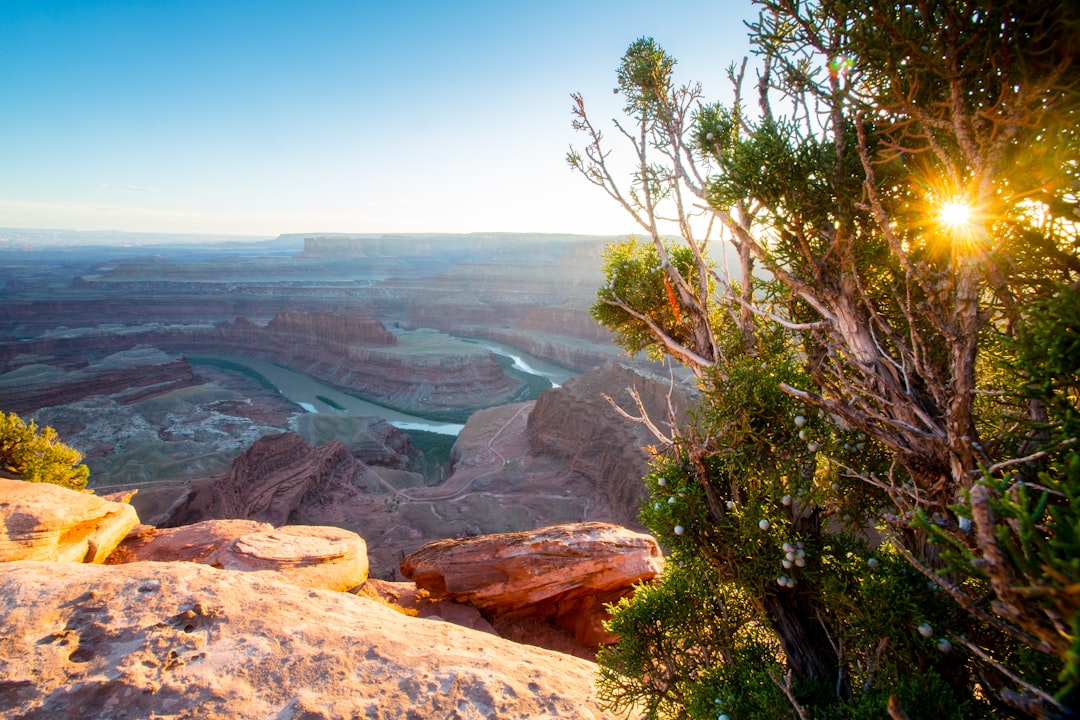
In recent years, the outdoor and travel industry has witnessed a significant transformation, driven by changing consumer preferences and a growing awareness of environmental issues. As more travelers seek to reconnect with nature, the demand for budget-friendly and eco-conscious travel options has surged. This article delves into the latest trends in outdoor travel, backed by market statistics and consumer behavior insights, to help you navigate this evolving landscape.
According to a report by the Adventure Travel Trade Association, the adventure travel market was valued at approximately $683 billion in 2021, with projections indicating a growth rate of 21% by 2025. This growth is largely fueled by millennials and Gen Z travelers, who prioritize experiences over material possessions and are more inclined to spend on travel that aligns with their values. Key Insight: As younger generations increasingly prioritize sustainable travel, businesses that adapt to these preferences stand to gain a competitive edge.
One of the most significant trends in outdoor travel is the rise of budget-friendly options. With the cost of living rising, many travelers are seeking ways to enjoy the great outdoors without breaking the bank. Camping, for instance, has seen a resurgence in popularity, with the North American Camping Report indicating that 48% of American households camped in 2021, a 6% increase from the previous year. This trend is not only economical but also allows travelers to immerse themselves in nature, fostering a deeper appreciation for the environment.
DIY travel experiences are also gaining traction. Travelers are increasingly opting for self-planned itineraries, utilizing resources such as social media and travel blogs to curate personalized adventures. This shift towards DIY travel is reflected in the growing popularity of platforms like Airbnb and Hipcamp, which offer unique accommodations and experiences at various price points. In fact, a survey by Airbnb revealed that 60% of respondents preferred staying in unique accommodations, such as treehouses or yurts, over traditional hotels, highlighting a desire for authentic experiences.
Eco-friendly travel is another critical aspect of the modern outdoor travel landscape. As awareness of climate change and environmental degradation grows, travelers are seeking ways to minimize their impact. A study by Booking.com found that 83% of global travelers believe that sustainable travel is vital, and 61% are more likely to choose a destination based on its sustainability practices. This shift is prompting businesses to adopt greener practices, from eco-friendly accommodations to sustainable tour operators.
For those looking to travel sustainably, there are several strategies to consider. First, prioritize destinations that promote conservation and responsible tourism. National parks, for example, often have programs in place to protect natural resources while providing visitors with opportunities to explore. Additionally, consider traveling during the shoulder seasons to avoid overcrowding and reduce your carbon footprint.
Transportation is another area where eco-conscious travelers can make a difference. Opting for public transportation, biking, or walking not only reduces emissions but also allows for a more immersive experience. According to a report by the International Council on Clean Transportation, public transportation can reduce greenhouse gas emissions by up to 45% compared to personal vehicles. This statistic underscores the importance of choosing sustainable modes of transport when exploring new destinations.
As the outdoor and travel industry continues to evolve, it is essential for travelers to stay informed about emerging trends and practices. By embracing budget-friendly options, DIY travel, and eco-conscious choices, you can enjoy the beauty of the outdoors while contributing to the preservation of our planet. Whether you’re planning a weekend camping trip or an extended hiking adventure, the key is to align your travel choices with your values, ensuring that your adventures are both fulfilling and sustainable.
In conclusion, the outdoor and travel landscape is rapidly changing, driven by a new generation of travelers who prioritize experiences and sustainability. By understanding these trends and making informed choices, you can embark on memorable journeys that not only enrich your life but also protect the natural world we all cherish.